The TIFF schedule is finally out, and late additions have been revealed. We at the DTMC have also been hyped by the lineup announcements of the specialty programs such as Wavelengths, Midnight Madness, TIFF Docs, and Centrepiece. We even wrote a previous article detailing some of our other anticipated picks during the earlier announcement window back in July. As you start filling out your TIFF schedules and wishlists, take a look at some titles from the past week of program announcements that we’re excited about.
Diary of a Chambermaid (dir. Radu Jude)
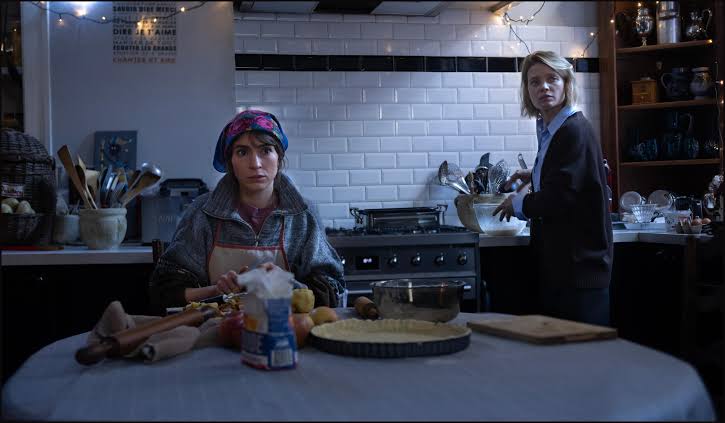
I consider Do Not Expect Too Much from the End of the World to be one of my favourite films of 2023, so it’s nice to see that another Radu Jude film is making its way to TIFF. This one is also an adaptation of the French novel of the same name and will mark his first French-language feature. Supposedly this film will be coming in at 94 minutes long which is on the shorter side for Jude in contrast to his Dracula film from last year that ran for 170 minutes, as well as the aforementioned Do Not Expect Too Much from the End of the World being a similar length. I’m curious to see how his idiosyncratic style applies towards adapting a very renowned classic novel at this point, and how his adaptation will stand out by contrast with many of the other Diary of a Chambermaid adaptations that came before it, most notably Luis Bunuel’s 1964 version and a few others. — JL
Ladies and Gentlemen, Brian Mulroney (dir. Matthew Rankin)
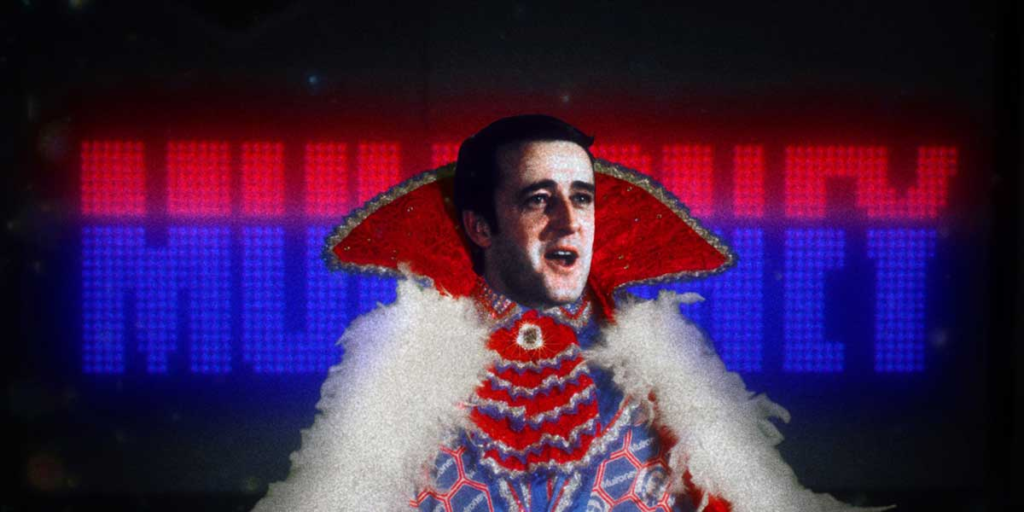
Matthew Rankin has been a growing force in Canadian cinema over the past decade-plus, culminating in a bow at the Cannes Director’s Fortnight in 2024 where his last feature, Universal Language won the first-annual audience award for the section. That film later showed at TIFF 2024 and was among my favourites of the fest. Two years later, he returns with an NFB-funded documentary about former Prime Minister Brian Mulroney, a film that Midnight Madness programmer Peter Kuplowsky promises is the dankest film to premiere in the program. This could have a lot of interpretations but I am expecting a lot of distortion and remixing of archival Mulroney footage as Rankin combines the Canadian historical mythmaking of his debut narrative feature (Twentieth Century) with his Winnipeg-styled (aka Maddin-inspired) early work. — BW
Once Upon a Time In Harlem (dir. William Greaves, David Greaves)
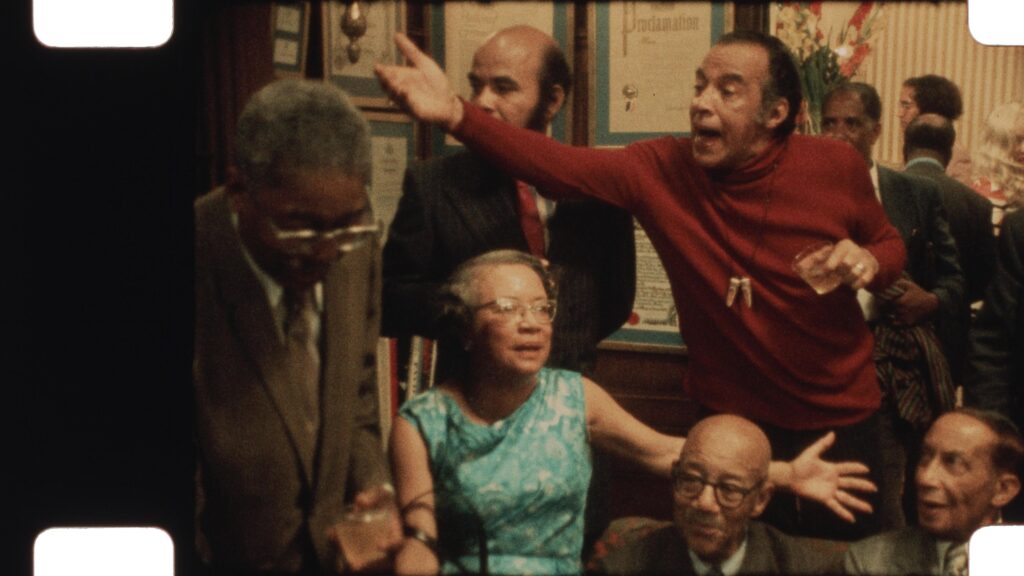
I’m a huge fan of William Greaves’ Symbiopsychotaxiplasm: Take One which is a bold, experimental meta-documentary film that tries to present not only the behind-the-scenes making of a film being made, but also goes way deeper and meta textual through its use of cameras capturing the reality and the action surrounding Greaves and his crew. Once Upon a Time in Harlem was a film that Greaves had been working on for a while, having been shot in 1972, but remained unfinished even after his passing in 2015. His son David has done his best to finish the film and to stay as true as possible to his father’s vision. The subject matter involving a gathering of those who were involved with the Harlem Renaissance and their conversations may be a very niche topic, but as a historical document alone and an additional supplement to the legend that is William Greaves himself, I’m absolutely making this a top priority for this year’s TIFF. — JL
Trash Mountain (dir. Kris Rey)
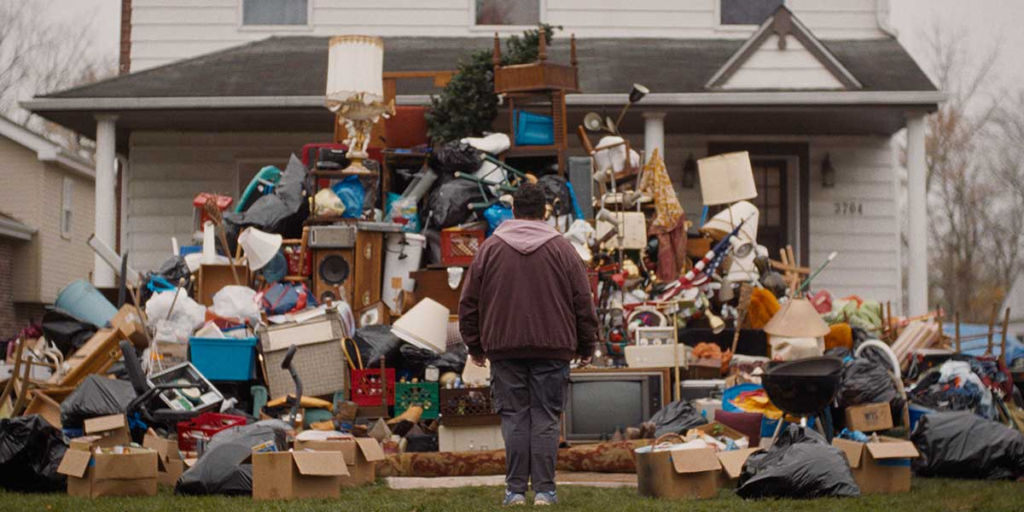
Caleb Hearon’s debut writing/starring vehicle has had an unusual journey from script-to-screen. The dramedy was originally announced in early 2024 with genre legend Lilly Wachowski set to make her solo directorial debut. Wachowski would later bow out of the director’s chair during the project’s development, which could have been a death sentence to most indie projects, but this one refused to die, which I assume is because of Hearon’s script. This project is now in the hands of mumblecore alum Kris Rey, a more natural fit for its source material, I’ll admit (even though I’d love to see anything new from Lilly Wachowski). Regardless of its journey, this is my number one most anticipated project in the Centrepiece program. — BW
My Wife Cries (dir. Angela Schanelec)
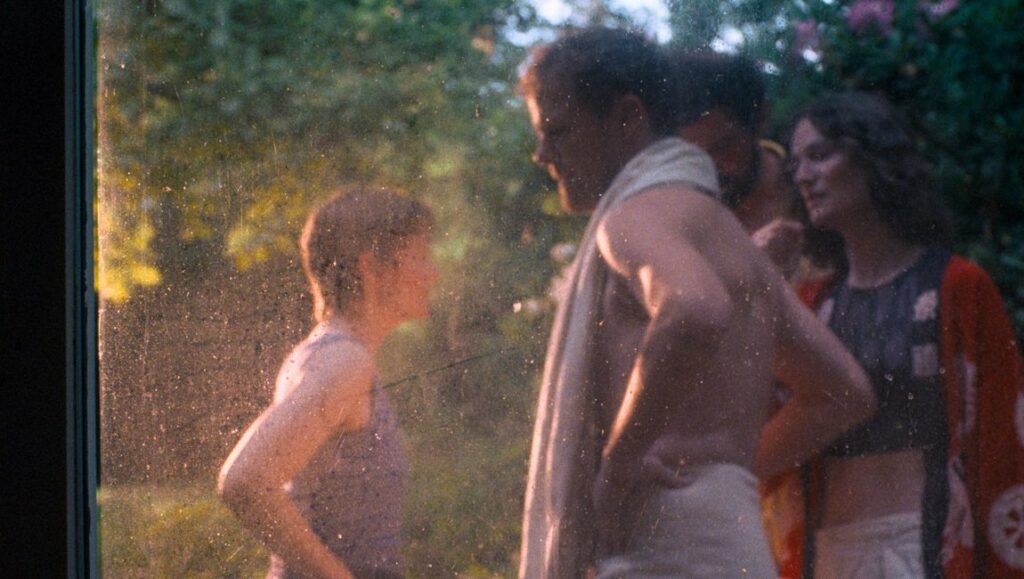
Angela Schanelec is no stranger to TIFF at this point, so I’m not terribly surprised that this made it into the Wavelengths program for this year. Her work may not be for everybody – slow yet methodical, less reliant on conventional storytelling rules and logic and a lot more emphasis on what is visually presented on the screen more than anything even if the style may feel uncompromising for many. Her eye for beautiful compositions and portraiture through the cinematography across her films is what makes her work so distinct and unique. She has a very interesting mix of influences that can be found across her works from Robert Bresson to Chantal Akerman that Schanelec herself likes to acknowledge such as in the opening scene of I Was at Home, But… involving the donkey. Many of her influences comprise of my own personal favorite filmmakers, so for that and many other reasons alone I am definitely looking forward to seeing this when TIFF comes around.
Union Town (dir. Barbara Kopple)
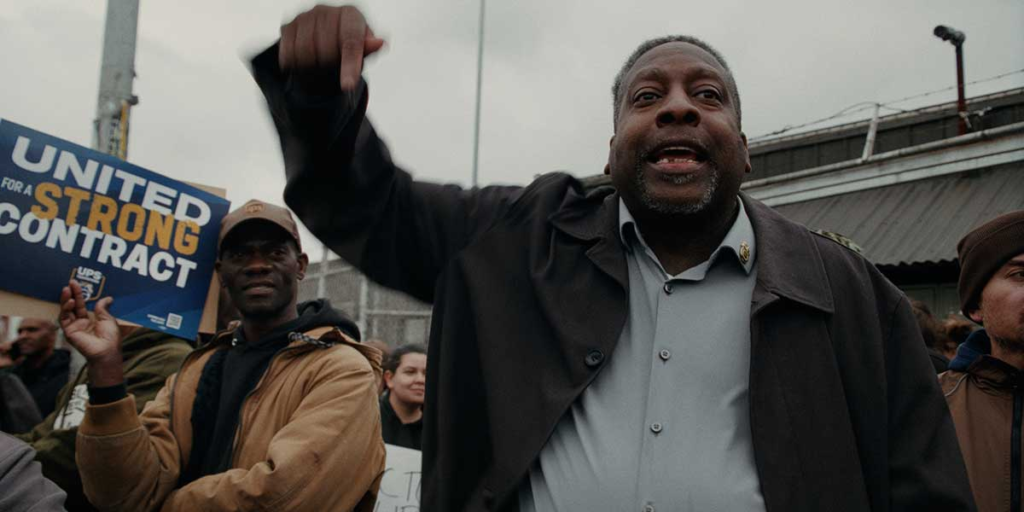
With her two Oscar-winning documentaries receiving Criterion releases just this month, Barbara Kopple may not need any introduction (Harlan County, USA remains at the top of my “films I need to get around to” list). In Union Town, she returns to the subject matter that powered her most renowned work: labour rights. Namely, this film tackles the labour struggle of delivery drivers from Amazon, UPS, and app-based courier services. Similarly to Brett Story and Stephen T. Maing’s Union, this may be a film that becomes suspiciously difficult to seek out outside the festival circuit, which is why I’ll be prioritizing this one amongst the documentaries in the TIFF Docs program. — BW
The Face of Horror (dir. Anna Biller)
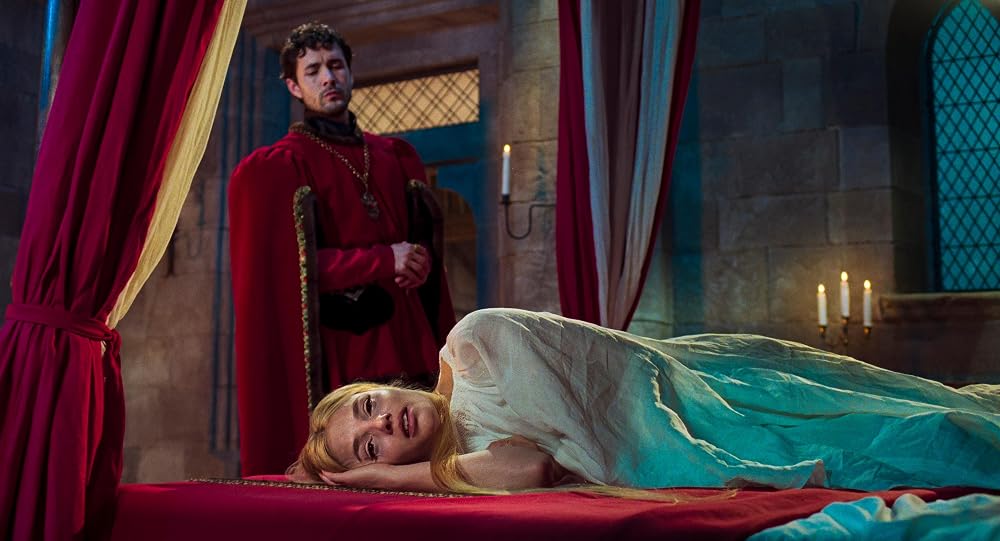
The Face of Horror by Anna Biller caught my attention as far as the Midnight Madness announcements for this year is concerned. It’s Anna Biller’s first feature in 10 years since her last breakout arthouse horror film The Love Witch back in 2016, which boasted immaculate attention to detail when it came to its adherence in capturing a distinct retro aesthetic and art design, with themes concerning femme-power that are a lot more modern than what the nostalgic visual approach would suggest. The story of The Face of Horror takes from an old Japanese ghost folktale which has been influential to the genre of Japanese horror in general, this time around presented with a much more British flair. It has been a very long time coming, so it’ll be interesting to see how Biller follows it up. How many years did it take this time to put together all the furniture? Did it take another six months to hook a rug for the film? Only one way to find out. — JL
Bucking Fastard (dir. Werner Herzog)
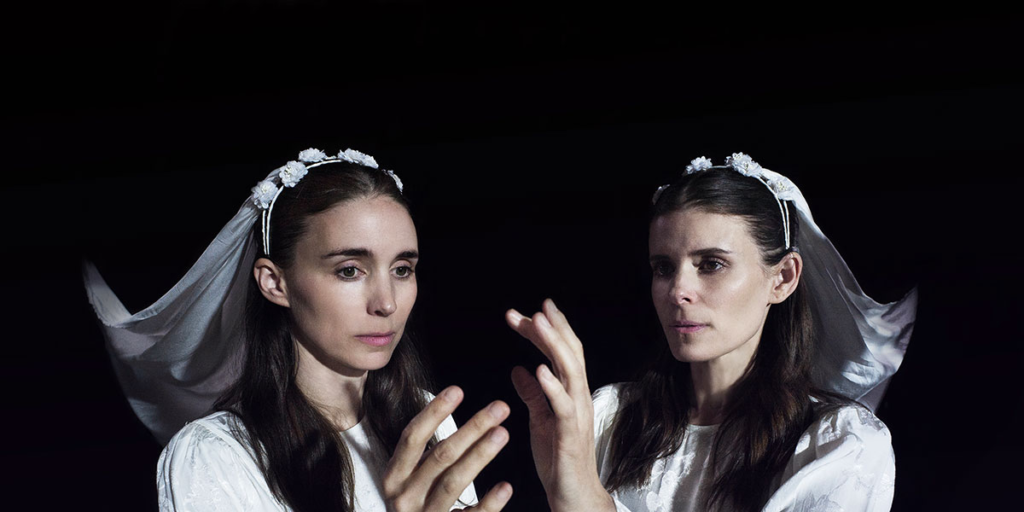
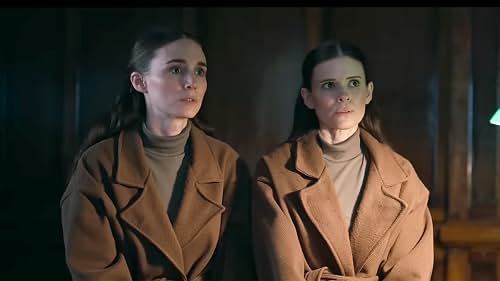
As I currently write this, Werner Herzog’s latest is the third-most-bookmarked film on TIFFr, so I need to provide little justification for the level of hype. Despite his active output, this era of Herzog’s career has been mostly dedicated to non-fiction (fiction projects are outnumbered by documentaries by a ratio of 4:1). The last time we saw Werner try his hand at fiction was in the greatly underrated Family Romance, LLC, which itself blurs the line in its use of non-professional actors. In Bucking Fastard, he tackles the real story of twin sisters (played by real not-twin sisters Rooney and Kate Mara) who speak in unison. Yes, they do it in the film, and yes, the results are as disorienting as they sound. — BW
Double Freedom (dir. Lisandro Alonso)
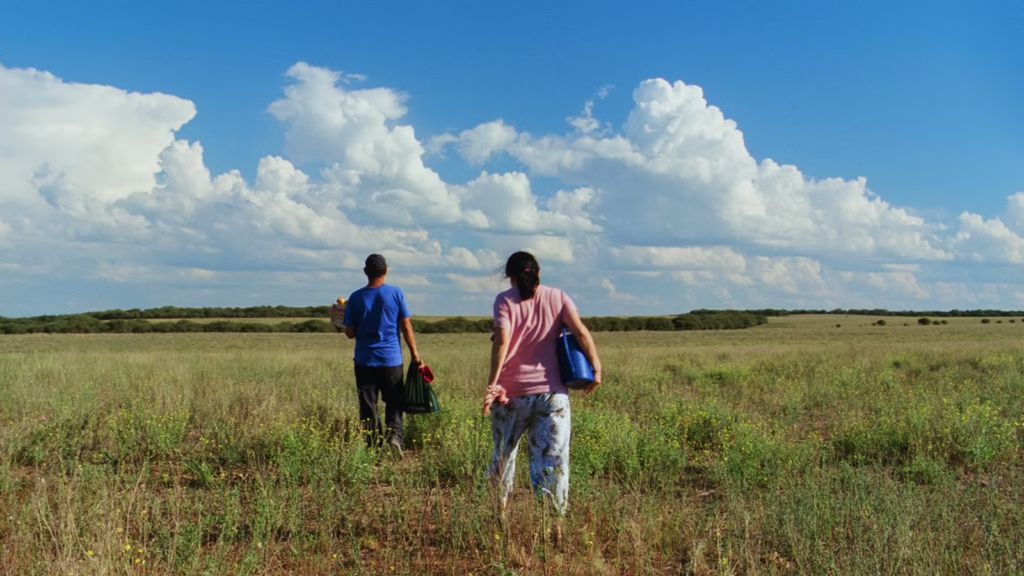
This is director Lisando Alonso’s seventh feature film, and is a sequel to his debut feature Freedom back in 2001. Freedom follows a man who chops trees and sells timber while living out in the woods. I enjoyed the docufiction approach to Alonso’s filmmaking on Freedom which puts greater emphasis on following this character’s lifestyle through the use of long-takes, the camera observing his every action and move. It may be a bit too slow for many to watch a man work his way through chopping a tree for a couple minutes, sorting out the lumber, shaving off the bark, going for a walk, and so forth. I personally find the process relaxing – to just watch someone in their element, in the zone outdoors on a bright sunny day. There is more to it than that of course, but to revisit this story and this same character 25 years later for a sequel seems like a very intriguing idea. Double Freedom has already received a bit of buzz when it premiered at Cannes, so I do have high hopes that he’ll deliver something just as quality and on par with the first Freedom film. — JL
Vintage Violence (dir. Eugene Kotlyarenko)
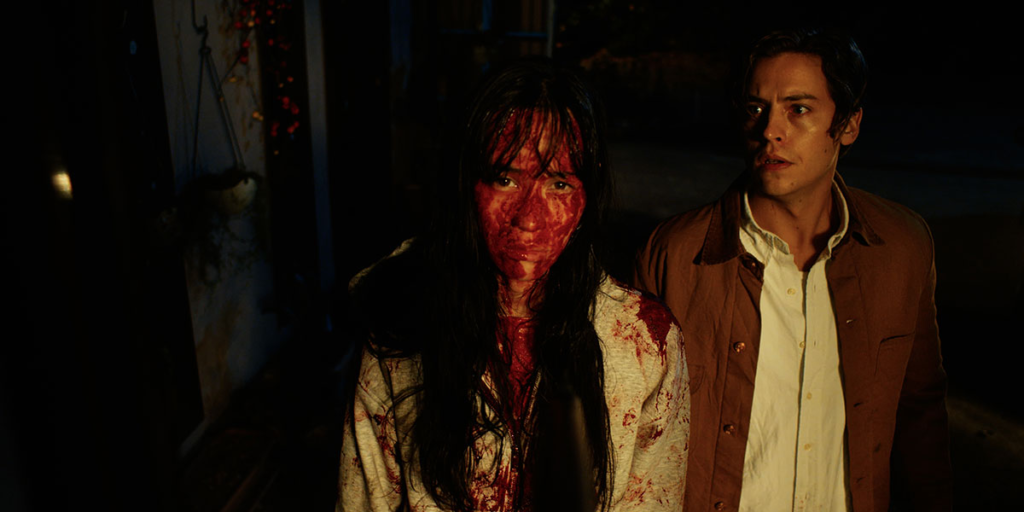
With pride, this is the only hint from Peter Kuplowsky’s Midnight Madness reveal-eve hints that I got right on my own (alongside 5 or so incorrect guesses). I am elated with the choice. Influencer-satire has almost already become kitsch but if anyone can spin a good take on it, it would be Kotlyarenko, whose films have been intertwined with a dangerous level of onlineness since from his debut feature up to his latest, The Code (which I implore people to give it a shot). It is unclear how much Vintage Violence will adopt Kotlyarenko’s signature blend of screenlife/found footage, but we’ll find out at midnight. — BW
La Gradiva (dir. Marine Atlan)
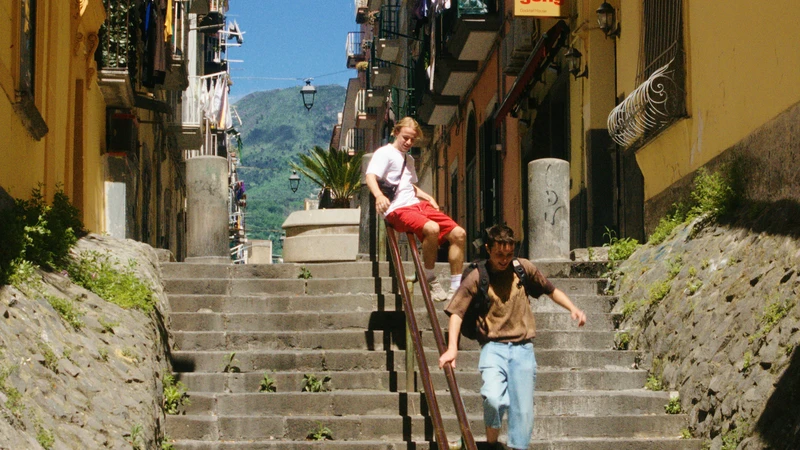
This has received pretty positive reviews coming out of Cannes, including winning the Critics’ Week Grand Prize. The director Marine Atlan has extensive credits as a cinematographer on many French productions, but has an unproven track record as a director given this is also her directorial feature-length debut. I don’t have much to say on this besides vibes; but the clip I saw does look quite intriguing. It is supposedly inspired by an old novella also titled Gradiva which would later serve as the basis of a written psychoanalytic interpretation by none other than Sigmund Freud, titled Delusion and Dream in Jensen’s ‘Gradiva’. I’m a sucker for films that explore the world of dreams, and there’s an interesting dichotomy presented between these young students and the ancient ruins of Pompeii serving as the setting. Among the Centrepiece titles announced so far this has been one of the few that have grabbed my attention, so I figure it only makes sense to highlight it here. — JL
Toy Gun Bandit (dir. Rémi St-Michel)
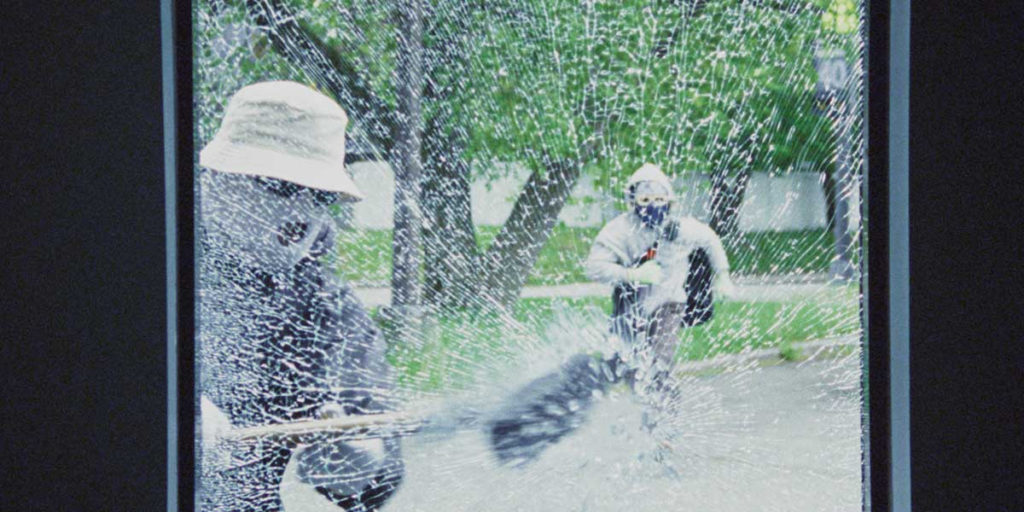
Among us Anglo-Canadian cinephiles, it is important not to forget the vibrant and budding film industry that Québec fosters. Despite being a short drive away, the festival is the rare opportunity for French-language Canadian films to screen in Toronto, so I am pledging to make time for at least a few. The one that has my eye is the dark crime-comedy Toy Gun Bandit, which follows a mischievous teenager’s dip into criminal activity. The director, Rémi St-Michel, was a collaborator with the director of TIFF25’s Follies, Erik K. Boulliane, which was one of my favorites in the Canada’s Top Ten this year. Although Boulliane is not involved in this one, if Toy Gun Bandit is still within that same pocket of Québécois cinema, then I have a feeling it will be a good time. — BW