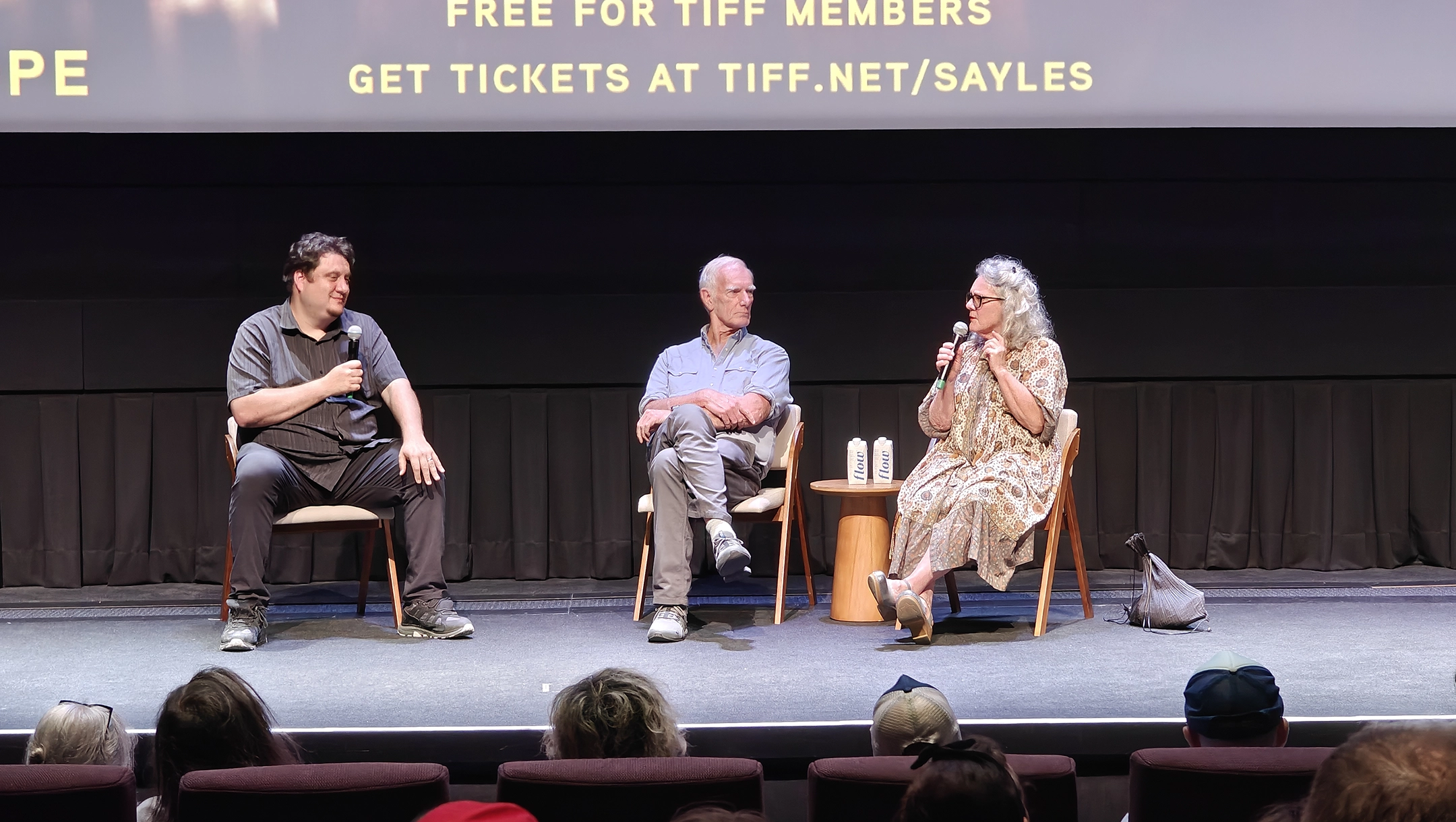
This is a collection of thoughts for some of the films that played during the John Sayles retrospective at the TIFF Lightbox earlier this month, either directed or written by Sayles himself, one of the most prominent and significant independent voices in America cinema of the late 20th century. I was able to catch six of the ten screened films as part of the retrospective. Below are my thoughts on Battle Beyond the Stars, Lone Star, Baby It’s You, Matewan, Return of the Secaucus 7 and The Howling respectively.
Battle Beyond the Stars
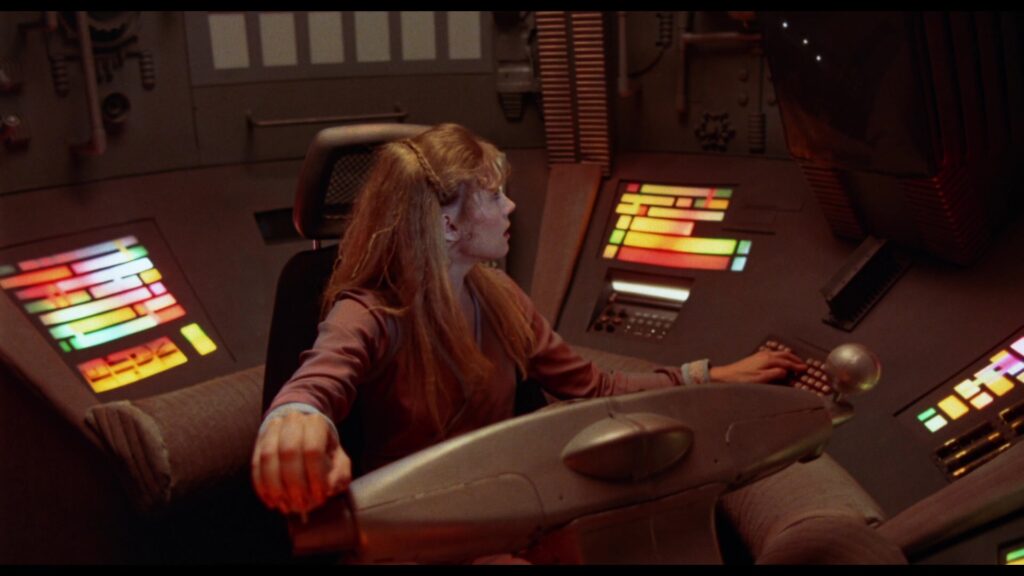
I don’t have to say it – John Sayles himself during the Q&A for the screening clearly thinks of it as a Star Wars ripoff mixed with Seven Samural. I would also include Star Trek in that description especially with the spaceship interior designs and Nestor’s very stoic Vulkan-esque personality. Much of the plot is about defending the desert planet Akir (like Akira Kurosawa, of course) from an evil warlord named Sador – a bootleg Darth Vader if you will, his spaceship equipped with a weapon capable of destroying planets much like the Death Star. The main protagonist Shad is the chosen one sent to find six other capable warriors who can defend the planet. Many of the same exact shots of spaceships swerving and flying in space during the battle sequences get reused again and again which is perhaps about as Roger Corman as it gets – always finding ways to save a dime or cut corners somewhere. Richard Thomas is just a wet blanket as the lead, unfortunately, and his character Shad is nothing more than a wimpy version of Luke Skywalker without any of the attributes that makes Luke cool.
I’m not exactly selling the movie very well – it’s clearly not that special in the wake of so many other sci-fi films that came in the wake of Star Wars’ success. But that’s not to say that it doesn’t have an interesting spot in cinematic history or that it doesn’t have its charm and its campy moments. I laughed particularly during the interactions between Shad and the women who are clearly horny for him whose advances he is sometimes oblivious towards. There’s Nanelia, whose entire existence up until she meets Shad is devoted to being only around robots, but after meeting Shad and learning about sex her entire goal is to ‘procreate’ with Shad. There’s also the one Valkyrie lady warrior dressed in very skimpy clothing whose entire dialogue towards Shad is just nothing but innuendos. It’s stupid, sure, but hardly boring.
Also an instance where despite its low-budget, the visuals actually look good, and they’ve aged quite decently. Like many films of its time, it’s the adherence to practical effects, the set designs and props/models, of which you have to give credit to James Cameron and his work in the production design and special effects departments for this movie respectively. Now granted, some of the designs are really out there – the spaceship Nell that Shad pilots has big tits, is shaped like a uterus and shoots lasers out of its ovaries. But they also boast quite a bit of detail and do not look cheap. The film also features an early soundtrack from James Horner, and never has a Horner soundtrack tried so hard to sound like John Williams – there’s one musical piece for example during a scene with Shad on his spaceship that felt to me like it was trying to be “legally distinct” from The Imperial March (Darth Vader’s Theme).
Sayles also had some insights into working with Roger Corman during the production of that film that were really interesting. How Roger Corman as a producer, despite his penchant for being quantity over quality and being a penny-pincher, was also a stickler for attention to detail and would give very specific pointers about what he wanted out of the script (like requesting a change on a certain paragraph on a specific page), and would give Sayles a lot of free reign to come up with any ideas he wanted so long as they could be filmed. You do have to give Corman credit for having an eye for talent and for his ability to bring together some notable names like James Cameron, James Horner and John Sayles together on an early project before their careers really took off.
Lone Star
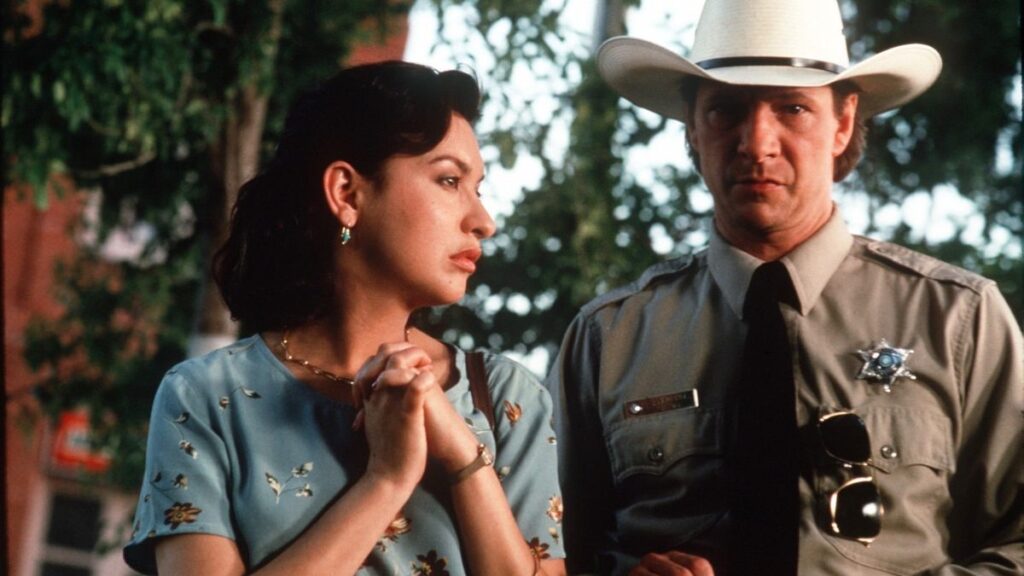
This was probably my favourite Sayles of the films I watched as part of the retrospective. It’s the most reflective of Sayles’ capabilities as a writer, especially with the way this felt like an adaptation of a novel even if it wasn’t – and it helps that John Sayles is also a novelist himself. It’s also stylistically his most interesting and distinctive, especially with the way Sayles’ direction handles the flashback scenes, transitions involving the present and the past within the setting in the same shot and vice versa. Sayles also manages to get some excellent acting performances out of smaller roles from actors like Matthew McConaughey and Frances McDormand, both of whom were on the come-up and were not the established names they are today. They don’t even show up for more than a few minutes, yet McConaughey steals the show as the legendary sheriff Buddy Deeds (particularly during that tense confrontation at the bar during the flashback with Charlie Wade) as well as McDormand as the neurotic ex-wife of Sam Deeds.
It’s a story about the complexity of legends and myths that go beyond the duality of good and evil people. About borders serving as not just a geographic separation, but also a separation from one’s own history and culture. It’s also a story about how culture, history and ethnicity come together to create the ‘melting pot’ of America in its present state, and the dissonance between our own desire to ignore or to rewrite that history versus confronting that history when the situation calls for it. When it comes to the legend of Buddy Deeds, we find out that the legend may be overrating who he was as a person, but also he was neither fully good nor bad, he was simply human just like the rest of us. When it comes to confronting our own history, we see this with Otis’ grandson, who doesn’t even know about his own Indigenous history nor about his granddad Otis especially during the scene when he visits his bar. Pilar carries herself as if she were fully Hispanic, yet her understanding of her own background is called into question later on. Mercedes no longer sees herself as Mexican and looks down upon her kind, even asking her employee (who is smuggling Mexicans across the border) to speak in English, perhaps out of prejudice of her own kind or by a genuine fear of punishment/exile from the wider community. Both Pilar and Sam choose to carry on their relationship, ignoring their respective pasts and what connects them together. “Forget the Alamo”, Pilar says, because it’s the better option as opposed to remembering the Alamo like everyone else. An interesting question comes to mind: was Pilar and Sam’s initial separation as children the result of racial and community prejudices, or were their families trying to hide something else even more sinister from them?
Much of the film’s themes can probably be summarized by the parent-teacher meeting scene. Both sides are up in arms about how history should be taught at the school. All in an attempt to take into consideration the different perspectives and versions of that history – which telling of the story is the right one? It certainly reminds me a lot of how this fundamental disagreement affects our political conversations nowadays – if we do not see eye to eye when it comes to our own history and what really happened, how can we come to an agreement about anything? It’s not comforting that a film that came out in 1996 was already thinking about those implications.
Baby It’s You
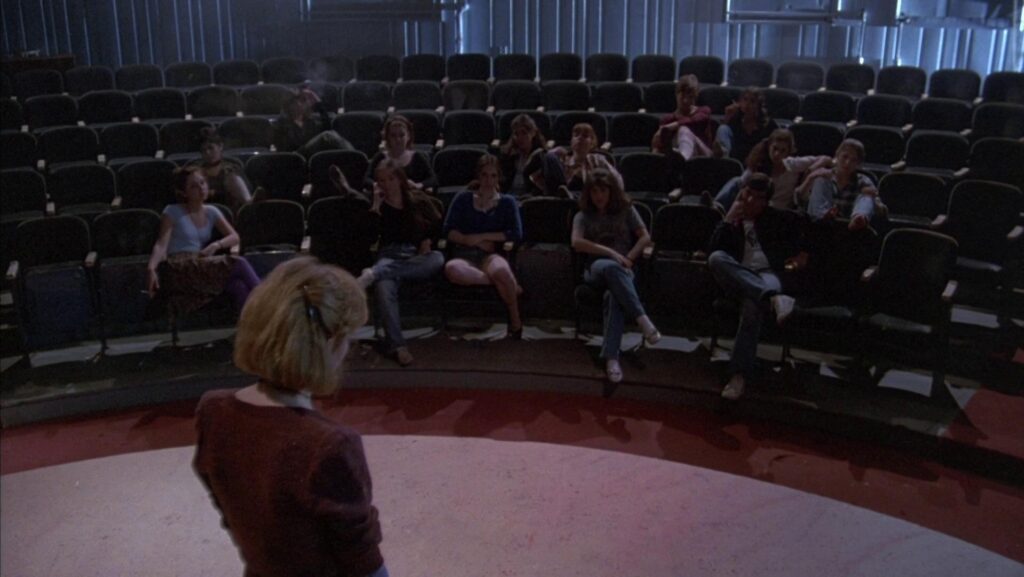
It’s both a charming and realistic story that spans many years across high school and college. It’s about a girl and a boy who both are trying to figure out who they are and who they want to be. Sheik has aspirations of becoming the next Frank Sinatra while Jill has aspirations of becoming a star actress. Later on life hits them hard after high school, and they both realize their expectations in life are not going to be met. Jill may have new friends in college, but she is lost in her path after discovering through her college years that she is not going to be that star that she thought she would become after her initial success at high school. Sheik’s ambitions of being a singer also aren’t coming to fruition like he thought they would. Jill’s love life hasn’t gotten any better either, with her college boyfriend Steve ultimately dumping her, and Sheik is just as lonely as he always has been. They find each other again, but are they right for each other?
I do think ultimately, Sheik doesn’t really deserve even someone like Jill and is just too much of an asshole for me to really empathize with all that much, especially after pulling a gun on Jill and engaging in a one-night stand with one of her friends. Plus him breaking into Jill’s dorm the way he did, stalking her and frightening her (which somehow doesn’t draw the ire of others in the building who might have heard the commotion) really feels like we’ve gone beyond the last straw. But Rosanna Arquette gives a standout charismatic performance here and steals nearly every scene she appears in. The soundtrack is great – those are needle drops that would be absolutely unaffordable today. There’s also an interesting dynamic going on between Sheik’s status as the constant outsider and loner, especially with his name assuming an Arab-American connotation and her association with Jill, a Jewish girl who by the end almost feels sorry for him. Jill seems willing to get swept up in the initial excitement of the relationship, but by the end you’re never sure whether she ultimately loves him or not. The meta-drama aspect of it involving her being an actress enacting out scenes drawing on her own experiences adds a lot to that feeling of constantly second-guessing what she’s truly expressing. That one scene in particular where Sheik tells her he loves her at the Miami airport only for Jill to reply back, “I know,” says a lot even with saying little.
Matewan
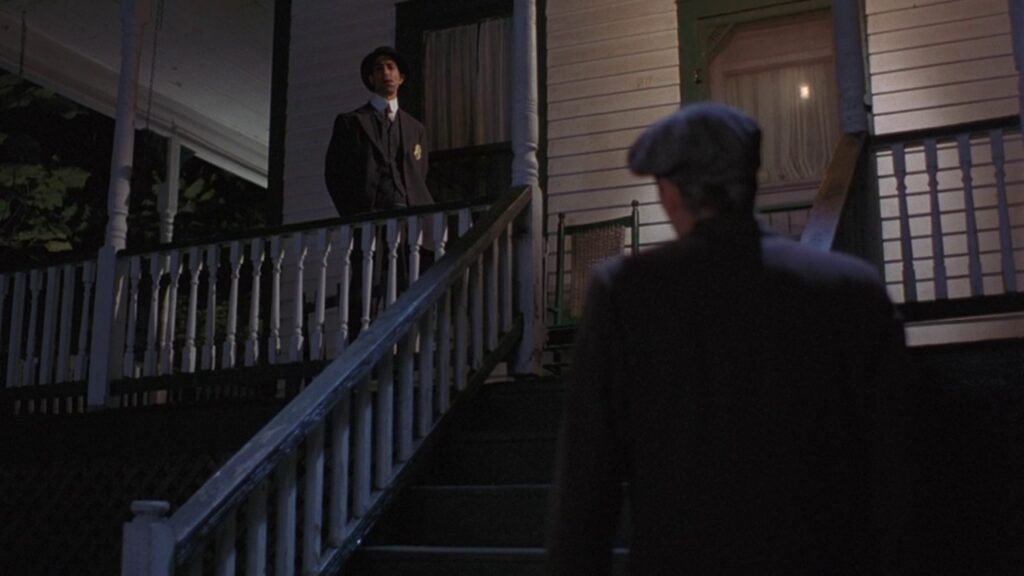
I think this is pretty solid fare from John Sayles, even if in many ways I found the outcome quite predictable despite knowing nothing about the actual Matewan incident the film is based on prior to watching the film and even if its visual style and dialogue-heavy approach isn’t that distinct or unique and comes across more like prestige television. It’s the kind of movie that plays well to history classes for its depiction of a real historical event rather than its innovation in filmmaking techniques. Although funnily enough the making of this movie did spawn a book about the making of Matewan titled Thinking In Pictures written by John Sayles himself, which I’m told is a worthwhile book about filmmaking according to film critic and host of this retrospective series, Adam Nayman. I should probably get to reading it when I have the time.
It is kind of interesting to compare this with Lone Star, which is about how legends are not so black-and-white in nature, whereas Matewan is about how human nature can devolve into black-and-white thinking. Sayles is not very subtle in whose side he is on regarding the situation with the union versus the Stone Mountain company – and maybe that’s where I think a film like Lone Star to me is more interesting, because it shows that sometimes conflicts can be far more complex and nuanced than a good or bad dichotomy. The climactic gun fight sequence near the end does make the slow-burn worth all that buildup. Our main protagonist Joe has been trying to err on the side of pacifism and tries to persuade the workers to not give into the temptation of violence against the company – even if the company is also threatening violence. But after a certain point he has already failed in convincing everyone, as evidenced by the scene where Few Clothes nearly kills Joe. The film questions this pacifism in opposition to most movies that question violence. And while I think ultimately the preference for pacifism or violence may depend on what the situation calls for, it is interesting to see a film like this that takes on such an angle.
City of Hope
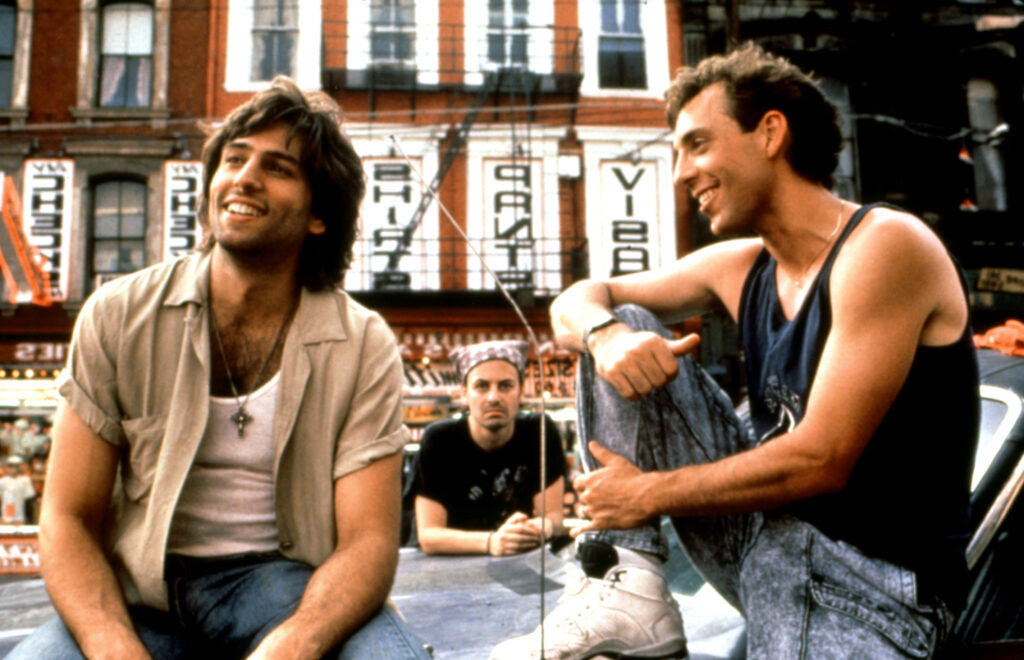
Probably my least favorite film directed by John Sayles of the ones I saw in the retrospective – which is to say it’s still a decent time. I admire its ambition and its vision in trying to tell a multi-narrative ensemble piece story, like a mix of Do the Right Thing in its examination of the city and the neighbourhood as institutions, as well as the Robert Altman-like approach of examining the lives of these characters in close detail.
I think the idea of having multiple interwoven stories (à la Altman) about these different characters is certainly an ambitious undertaking that doesn’t quite fulfill itself in practicality here. Sayles definitely improves on this kind of narrative structure and storytelling in Lone Star, as characters with little screen-time felt like real people living in that world whom we could relate to. By contrast, some of the characters in City of Hope border on being outright stereotypical, the result perhaps of the focus being stretched thin among so many different stories involving all these people rather than any sort of inherent racism on Sayles’ part. You have the rebellious black children who are only there to cause trouble due to ‘boredom’ as well as the other outspoken black characters in the film like the Nation of Islam guy and the tough loving mom to the kids, the Italian-American rebellious son and his dad who both talk with a very specific (and rather stereotypical) Jersey accent and manner of speech, the idealist politician looking to do good, etc. Some of the stories involved are quite compelling as is the case with Wynn and that scene where he rallies people together to disrupt a fundraising dinner by the mayor – which strikes as a very classic politician move to appear like he’s doing something for the community while avoiding having to address the real elephants in the room during that scene with his constituents. Plus you have Wynn’s whole mannerisms being out of step with the black people whom he is supposed to represent – he doesn’t talk nor act like them. But in a weird way the film unconsciously adopts that same perspective towards the black community – we don’t really get to know or understand them anymore than how Wynn understands them, because we don’t really spend that much time with them compared to how much time we spend with Nick. This is where I think Spike Lee’s Do the Right Thing is superior in that regard – Lee lived in that community, he understood it. I disagree with Adam Nayman’s assertion that City of Hope is every bit Do The Right Thing’s equal in that regard, as he stated during the screening introduction.
The film is slightly progressive in terms of the LGBT commentary with the subplot regarding the professor’s assault, but also not quite as progressive as it makes itself out to be in terms of other subject matters. It’s austerely liberal in its characterizations of these people, but never in a way that looks beneath the surface. However, I did find the final scene with Nick to be a powerful one. His dad calls for help only to have Asteroid – the vagabond mentally ill man – being the only one there to answer, who merely just repeats his calls for help. An outcast to society, who society sees as not worth taking seriously as a result of his quirks and behaviors. So by that point, nobody cares to hear Asteroid, and as a consequence nobody is there to help Nick. Much like how society tends to ignore those who are genuinely in need of help like Asteroid – life always goes on, as they say.
Return of the Secaucus Seven
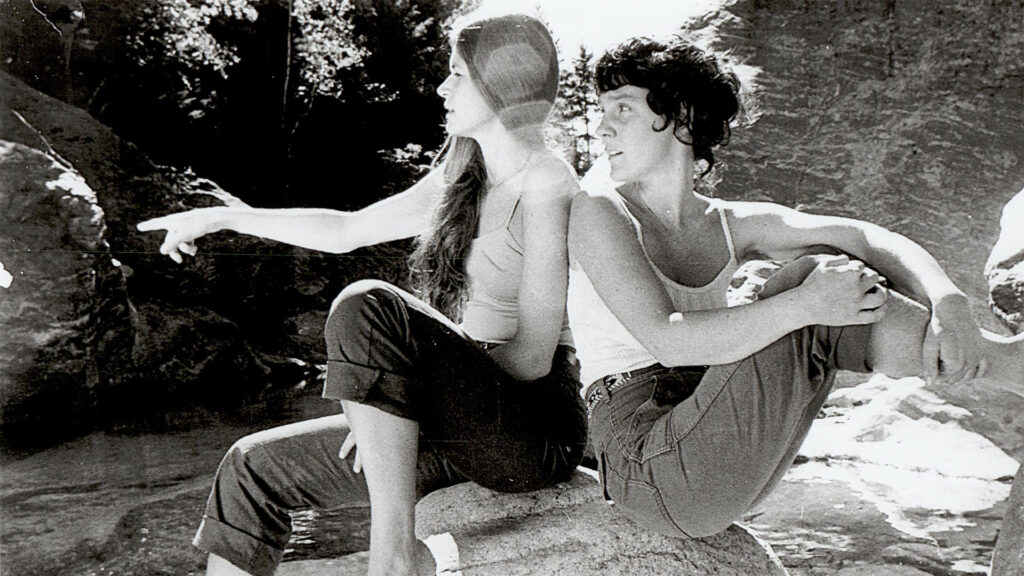
A better film than The Big Chill, for which this often gets compared to. The film’s jaded idealism through people like J.T. (and his aspirations to become a big-time country singer) and the messiness that comes with these types of reunions involving long-time friends serves these characters better than the complaints about life expressed by the characters in The Big Chill. There’s something inherently relatable about the struggles that the characters in Secaucus 7 go through and the way they convey and express their frustrations, whereas with The Big Chill it just feels too composed and privileged by comparison. Despite The Big Chill revolving around the funeral of a good friend of the group and the existential reality that all these characters have to face, somehow the bleakness of the ending of Secaucus 7 just hits harder emotionally with all its unresolved messiness involving these people, dealing with the stages of getting older, carrying all that baggage you have with yourself and your history with other people among the group, as well as the increasing impossibility of fulfilling one’s own unrealized dreams.
While this is John Sayles’ first film and it clearly shows with the rather shoddy mise-en-scène, and even Sayles admits as much that he probably could have done some things better like incorporate more handheld camera movements, what we get to see here is not to the film’s heavy detriment. It helps that Sayles based this off of people whom he knew and used mostly non-professional actors at the time which adds to the authenticity of the portrayal. The handheld moments that we do get actually are memorable and great – the basketball scene as well as the charades scene which is maybe among the funniest parts of the film for me. The emphasis on male eroticism during that scene where the camera is turned to the men’s nude bodies also works as an interesting contrast to The Big Chill‘s emphasis on female eroticism, primarily the character of Chloe.
I do think ultimately this film – and The Big Chill – both feel like they come from a much different generation, and both speak to that generation of young adults as opposed to how it is for people today. There’s still an emotional disconnect there as someone who did not grow up during that time, but you do have to give the film credit for opening the path forward for indie filmmaking to come.
The Howling
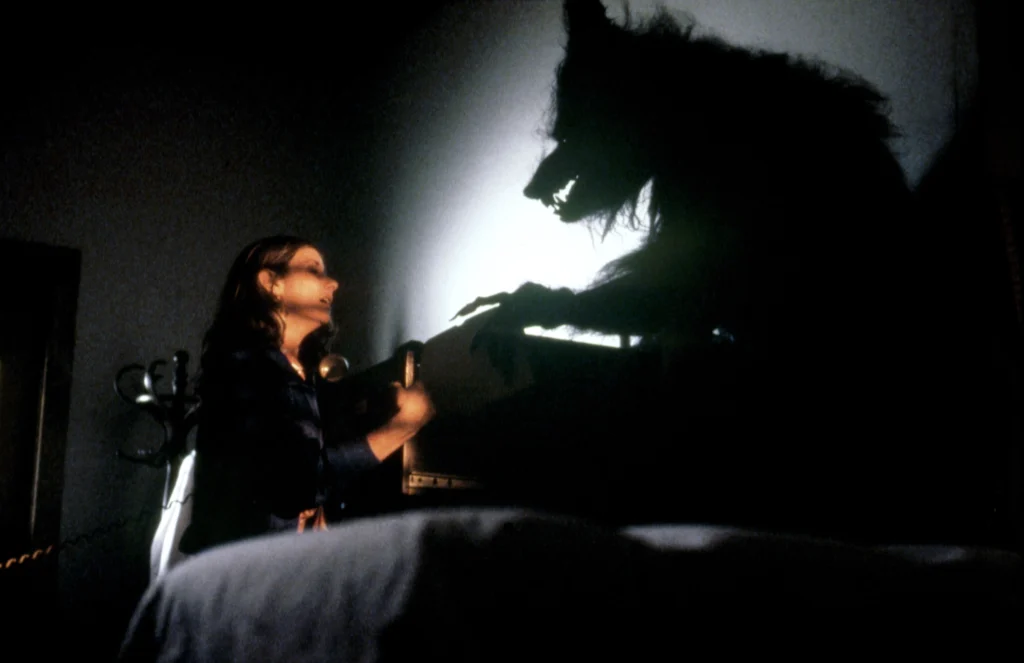
It’s a pretty solid werewolf movie that doesn’t have too many of John Sayles’ trademarks in it. The selling point of the film for me was the practical effects, especially during the werewolf transformations which were really well-done. It’s got some very atmospheric moments too particularly with the fog in the forests, including a creepy and effective scene that happens during the daytime when Karen’s friend Terry visits the cabin – not something that’s done very well in a lot of horror. Perhaps we should consider bringing back more foggy scenes in horror!
I feel like as far as Sayles’ contributions are concerned, it seems like he keeps his best ideas and scripts for himself to direct and leaves the scraps for others to make something out of. The writing for The Howling does feel less like something I would normally associate with Sayles’ style. The opening porn store scene alone sounds like something that would fit more at home in a Brian de Palma film, plus the lack of nuance concerning the characterization which you’d normally expect from a Sayles script – and does fall into some typical horror tropes at points. Case in point is the ‘cult’ revelation near the end, backed by a climax where our protagonists try to escape by an abandoned police car in that moment – only for the car to not start at that exact moment! Of course the flashlight also stops working at the wrongest possible moment! (Although the moment after the flashlight stops working is quite funny and maybe sort of a subversion of said horror trope, but I digress.)
It does contain its simultaneously funny and creepy moments however, and there is a dreamlike quality to the visuals and with Dante’s direction that I appreciate especially as Karen constantly wavers between visions of her own traumas and the present moment. Maybe for some people the slower pacing will feel a little boring, but I do miss when horror films took their time building up atmosphere and tension..